The Roots
The word "Architect" has its roots in Ancient Greek ἀρχιτέκτων (arkhitéktōn), meaning chief builder or master craftsman:
ἀρχι — chief, leader, primary
τέκτων — builder, carpenter, craftsman
The oldest known treatise on architecture is De architectura by the Roman architect Marcus Vitruvius Pollio, written around 25 BC. Vitruvius defined three principles that every well-designed structure must balance:
| Principle | Meaning | Software Equivalent |
|---|---|---|
| Firmitas | Strength, durability | Reliability, robustness |
| Utilitas | Function, usefulness | Features, usability |
| Venustas | Beauty, harmony | UX, clarity, elegance |
Vitruvius dedicated separate books to temples, public buildings, and private houses — recognizing that each type of building demands its own design approach. Software is no different.
Architecture as an Art
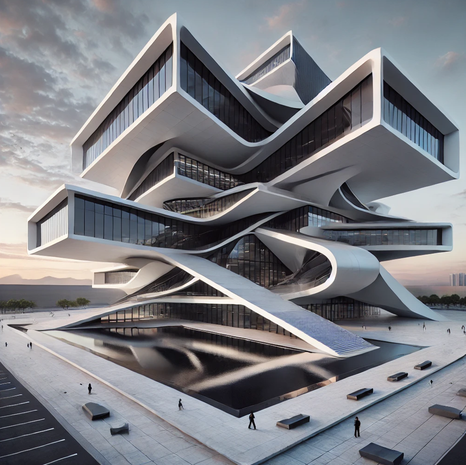
In some cases, architecture is seen as an art. Some buildings are designed primarily for their aesthetic impact or as a display of wealth and tastefulness.
Architecture as a Craft
In some cases, architecture is seen as the craft of creating a plan. The plan serves two purposes: (1) it is easier to review and change a plan than to change a building under construction, and (2) builders can work independently from the plan without needing constant instructions. Depending on constraints, the goal may be a standard plan that fits most customers, or an individual plan for unique requirements.
Little or common constraints and requirements
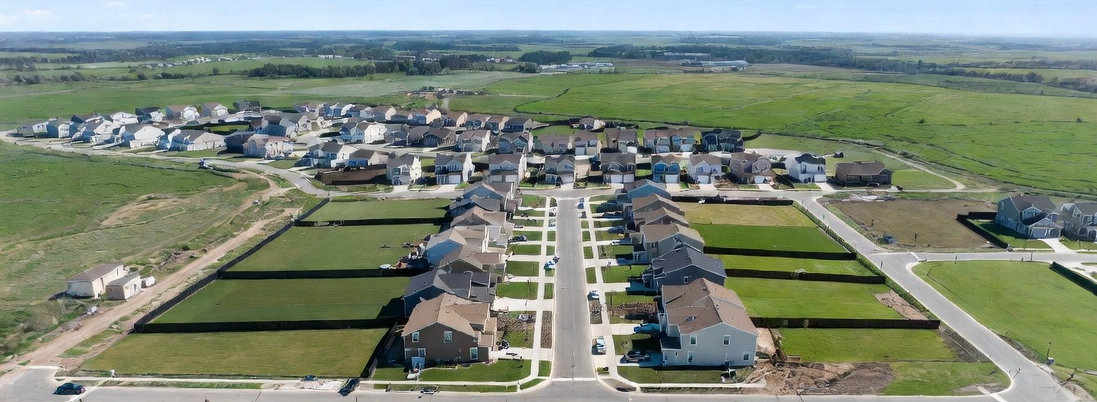
There are cases where an architect has few constraints or little variance in the constraints and requirements (e.g. when the cost of land is low or the needs of the customers are all about the same). In this case, it is relatively simple to build on the experience from past projects to improve future projects.
Individual constraints and requirements
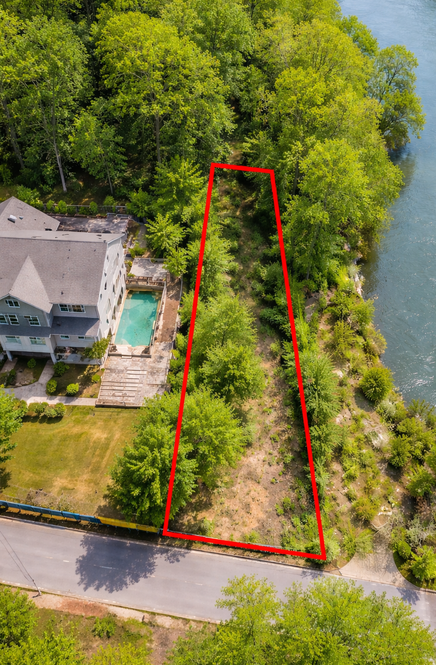
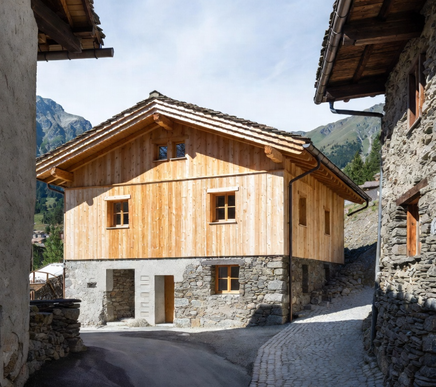
There are cases with unique constraints and requirements. There it is important to have knowledge about a broad range of possible solutions and the advantages and disadvantages.
The goals of the plan
The first goal of the plan is to fit the constraints and requirements of the customer.
The second goal of the plan is to fit the constraints and requirements of the builders.
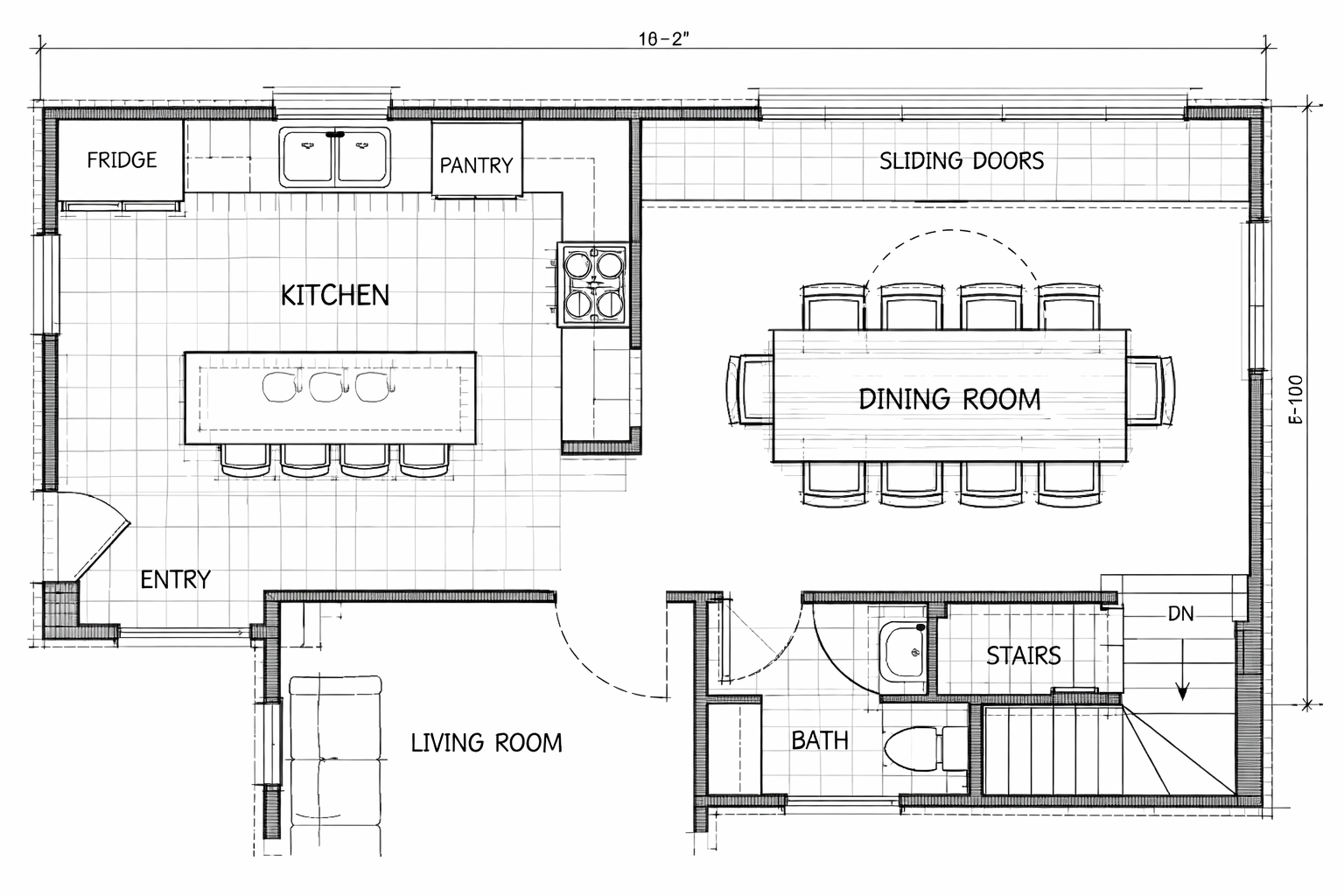
Architecture for different types of buildings
There are different types of buildings. The architect as the master craftsman shall have lots of experience. With the diversity of the building types, it is unlikely that an architect is a master craftsman for multiple building types, usually you need a whole lifetime to master all the aspects of just one building type.
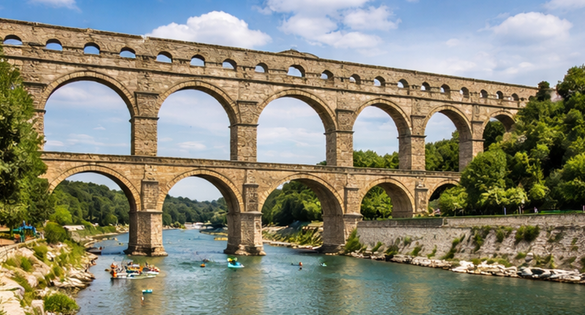
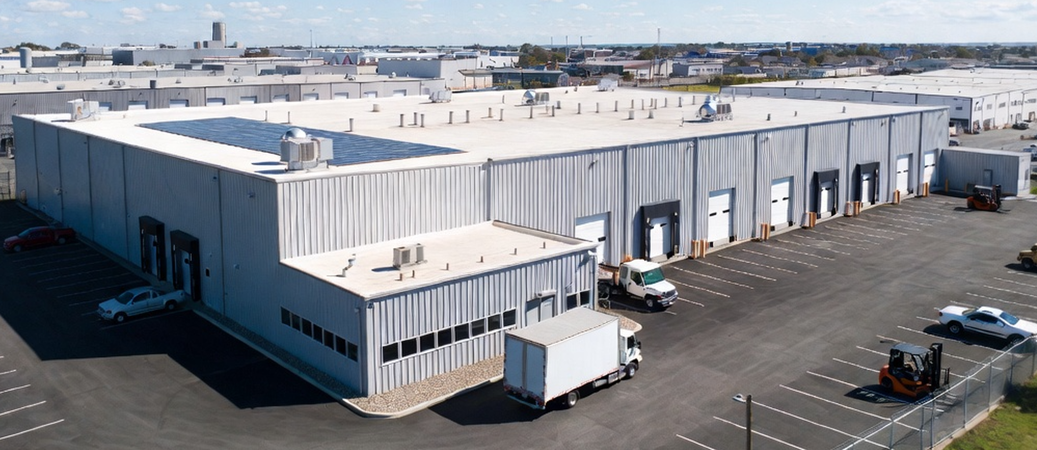
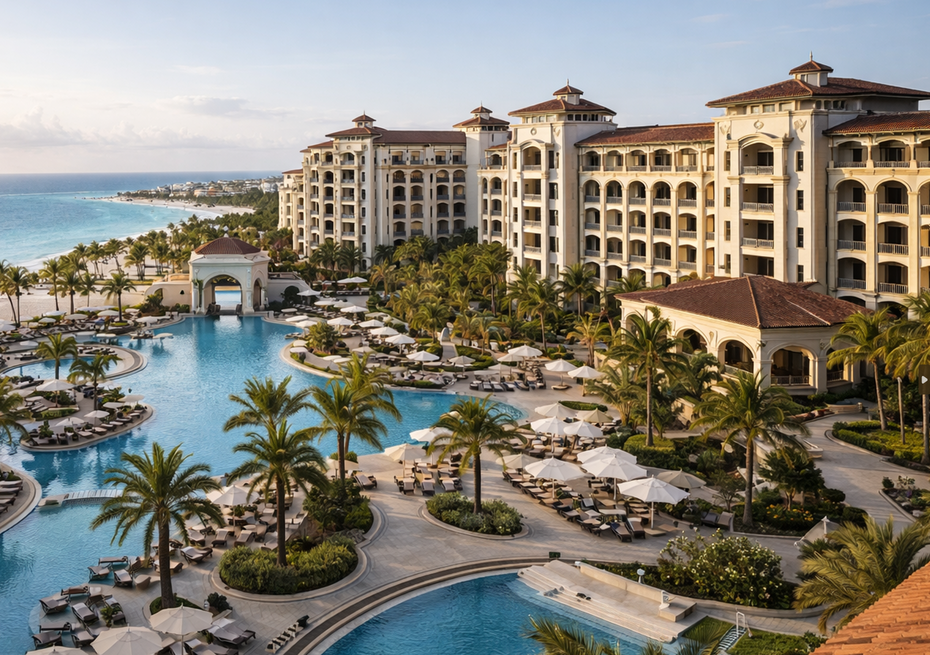
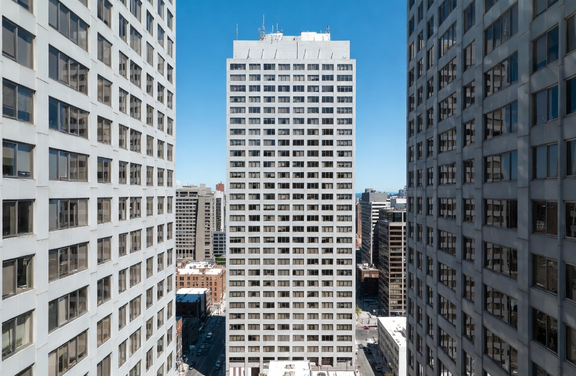
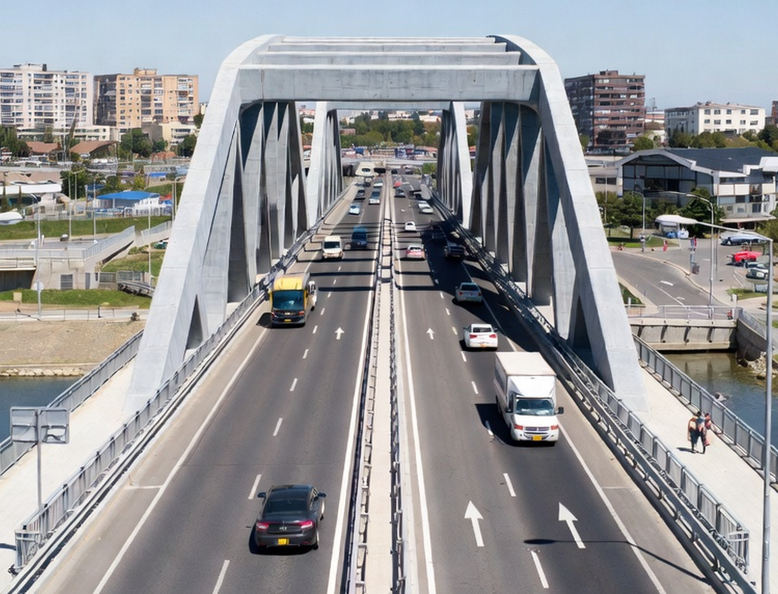
Examples of different types of buildings
Buildings come in many different types, each designed for a specific purpose.

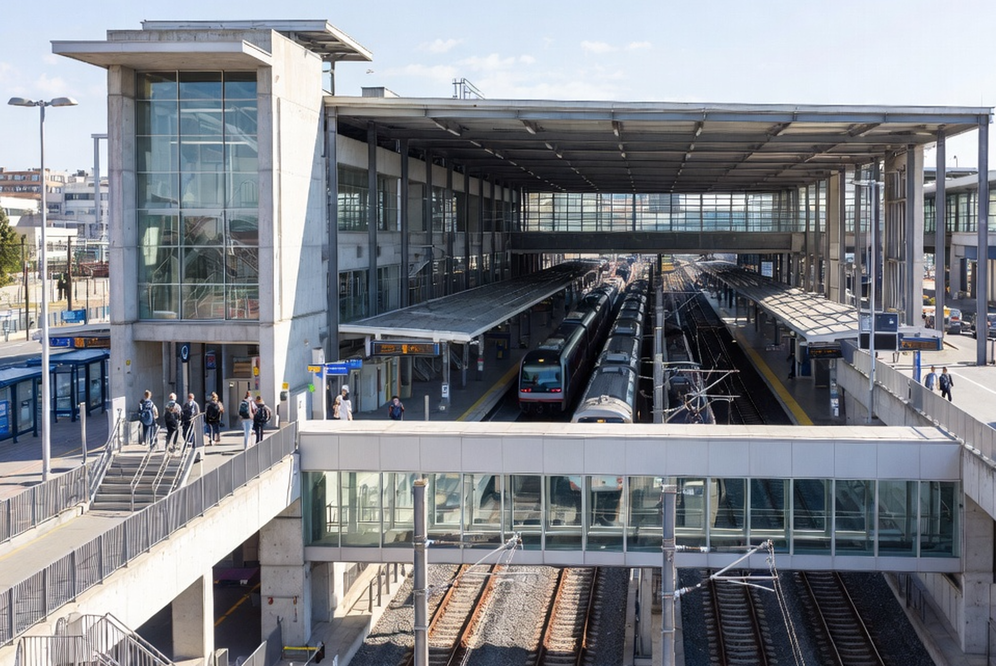
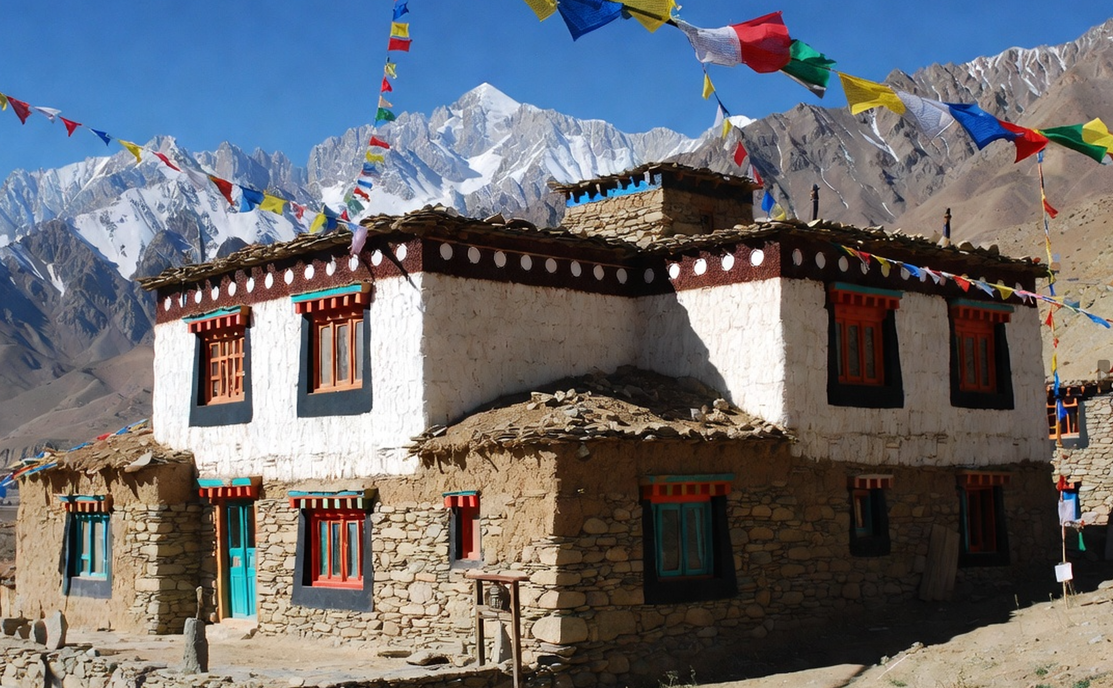
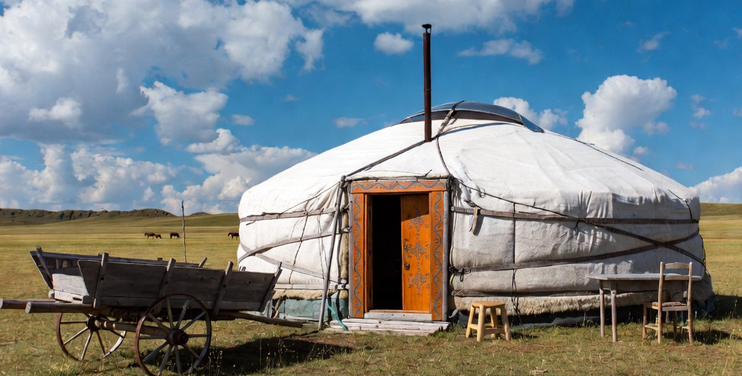
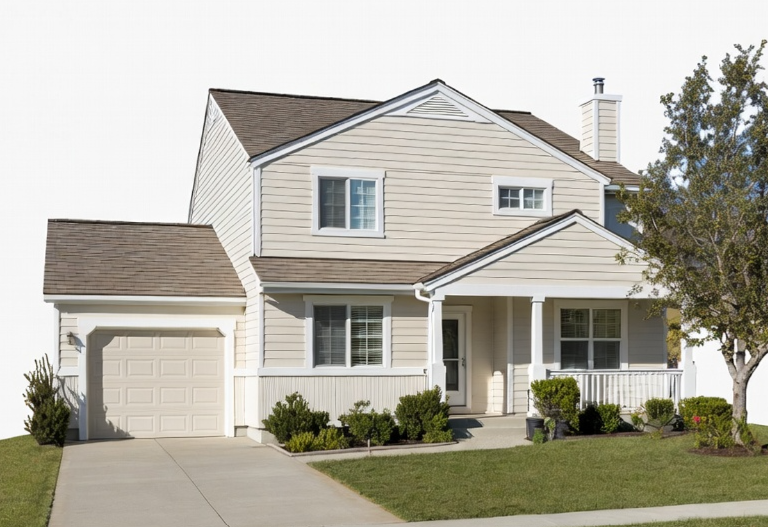
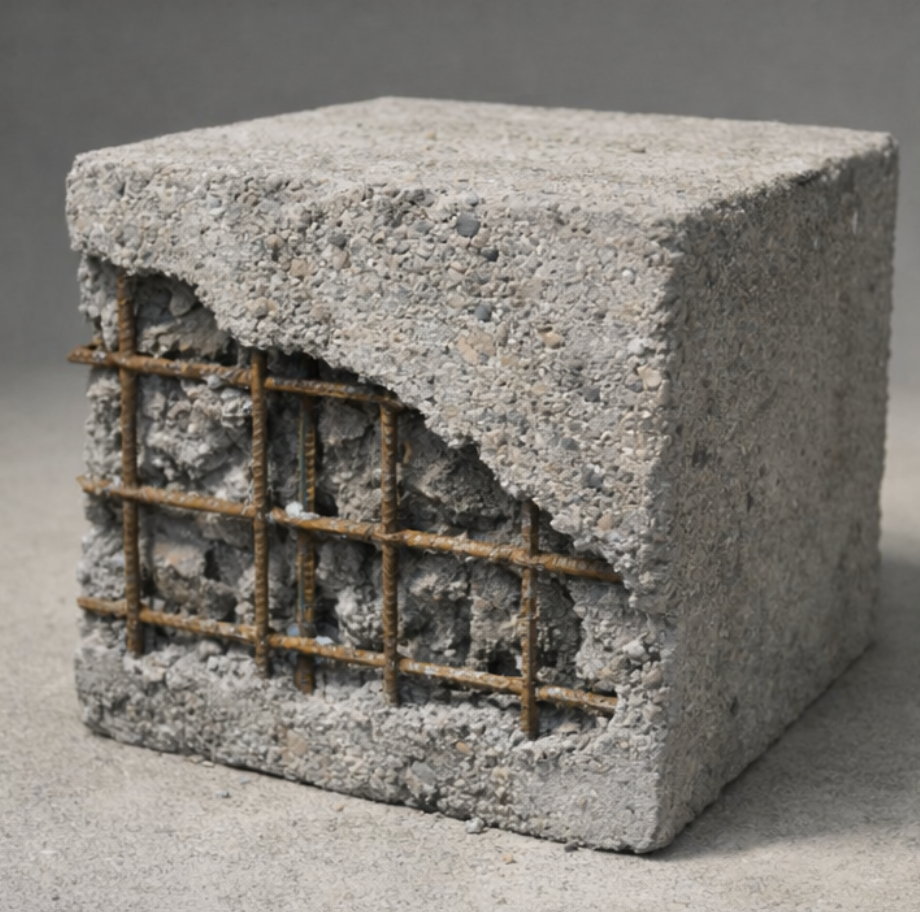
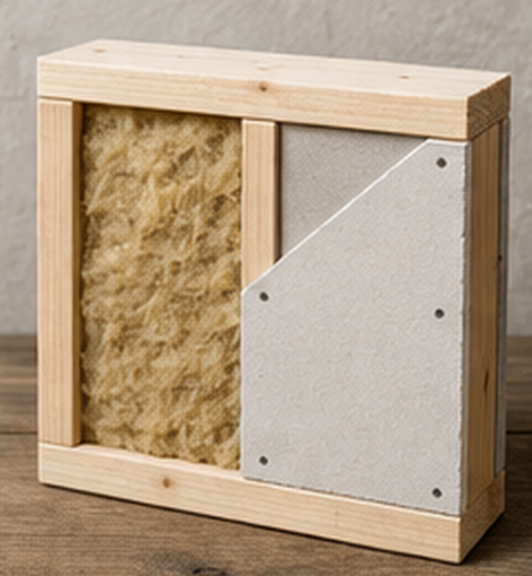
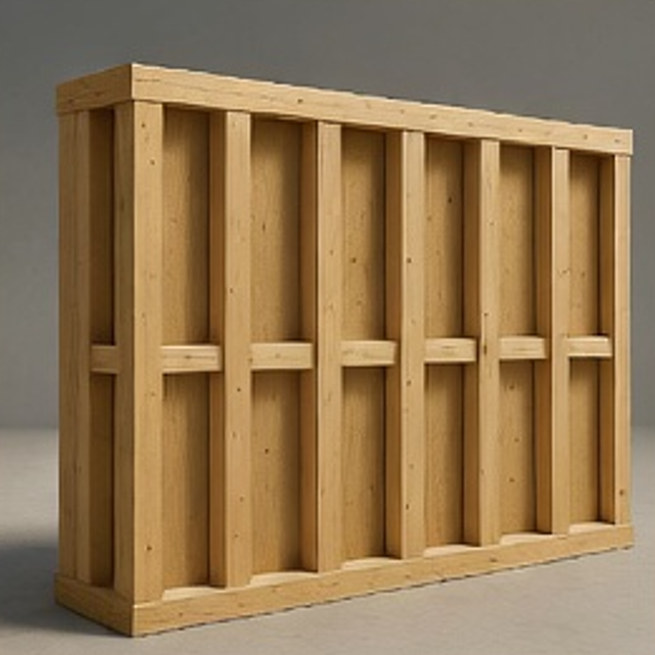
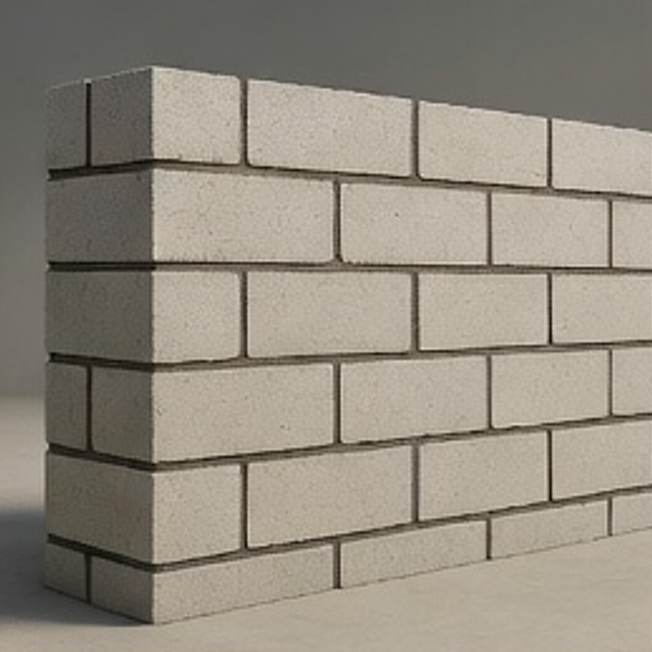
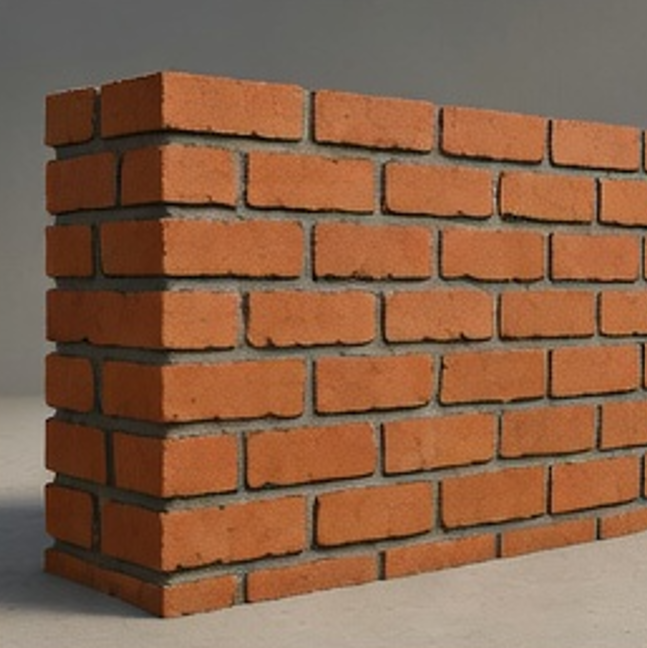
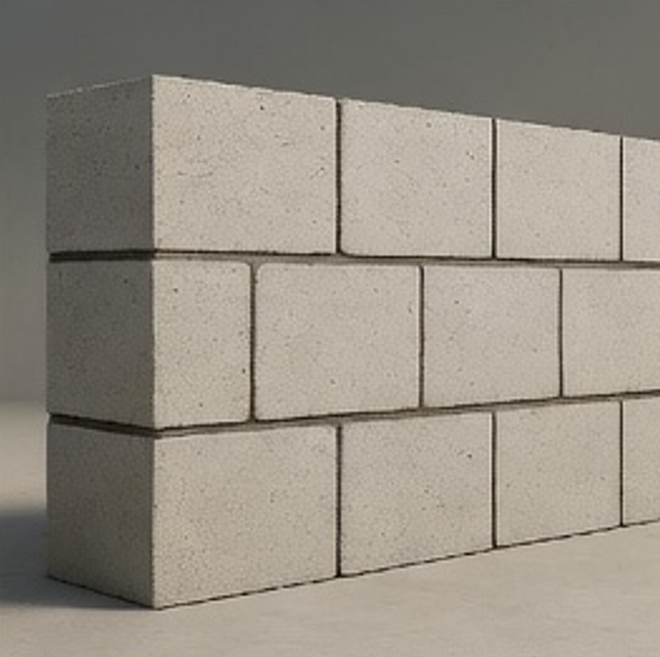
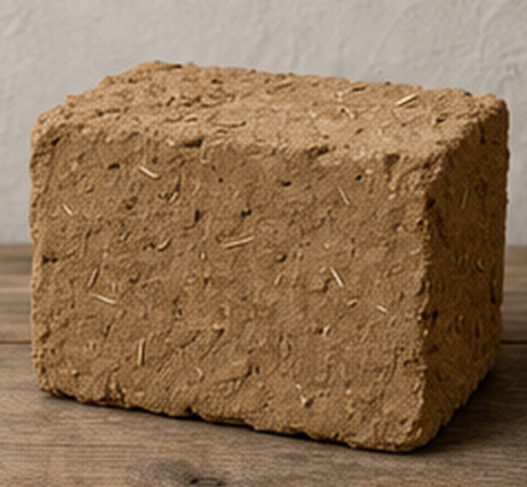
Examples of different types of building material
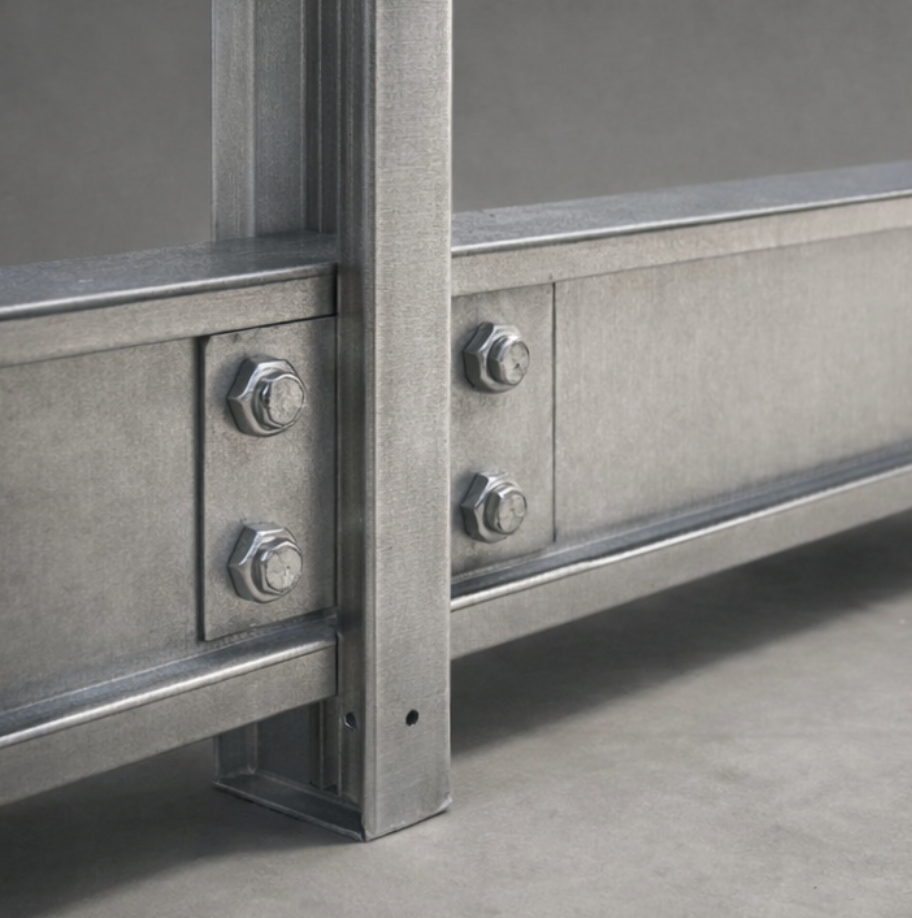
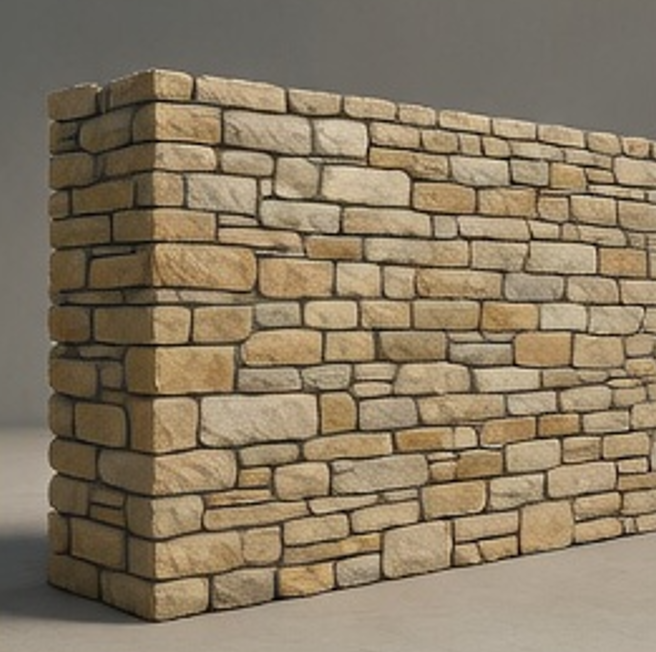
Buildings can be constructed from a wide range of materials.
| Property | Steel | Stone (Natural) | Reinforced Concrete | Woodwork (Engineered Wood) | Wood (Solid Timber) | Calcium Silicate | Brick (Clay) | Aerated Concrete (AAC) | Mudbrick (Adobe) |
|---|---|---|---|---|---|---|---|---|---|
 |
 |
 |
 |
 |
 |
 |
 |
 |
|
| Density | Very high (7850 kg/m³) | Very high (2600 kg/m³) | High (2400 kg/m³) | Low–medium (600 kg/m³) | Low (500 kg/m³) | High (2000 kg/m³) | Medium (1800 kg/m³) | Very low (500 kg/m³) | Medium (1500 kg/m³) |
| Compressive Strength | Very high (250 MPa) | Very high (100 MPa) | High (30–50 MPa) | Medium–high (35 MPa) | Medium (30 MPa parallel) | High (25 MPa) | Medium (20 MPa) | Low (4 MPa) | Low (2 MPa) |
| Thermal Insulation | Very poor | Poor | Poor | Good–very good | Good | Poor | Moderate | Very good | Good |
| Sound Insulation | Poor | Very good | Good | Moderate | Moderate | Very good | Moderate–Good | Poor–moderate | Good |
| Moisture Behavior | Corrosion-prone without protection | Very low absorption | Low absorption (if sealed) | Improved stability vs. solid wood | Sensitive (swelling/decay) | Moderate absorption | Regulates moisture well | High absorption | Very sensitive to water |
| Fire Resistance | Poor (loses strength ~500°C) | Excellent | Good–excellent | Moderate (predictable charring) | Poor–moderate (chars) | Excellent | Excellent | Excellent | Good |
| Weight | Very heavy | Very heavy | Very heavy | Light–medium | Light | Heavy | Heavy | Very light | Medium |
| Workability | Difficult (specialized tools) | Difficult | Moderate (formwork required) | Easy–moderate | Easy | Moderate | Moderate | Very easy | Easy |
| Typical Use | Structural frames, bridges, high-rises | Structural & cladding | Foundations, slabs, high-rises | Beams, panels (CLT, glulam) | Structural frames, houses | Load-bearing, soundproof walls | Masonry walls | Lightweight walls, insulation | Traditional walls (dry climates) |
| Durability | Very high (if protected) | Very high | Very high | High | Moderate | Very high | High | Moderate | Low–moderate |
| Cost (relative) | High | High | Medium–high | Medium–high | Medium | Low–medium | Medium | Medium | Low |
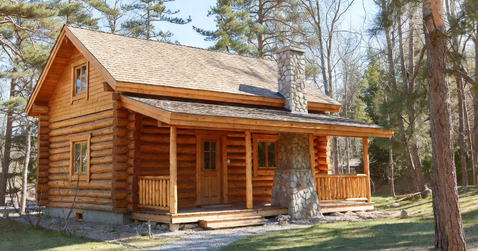
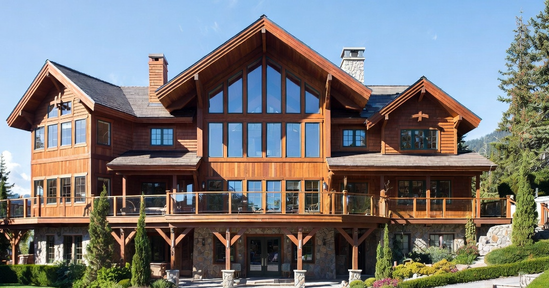
Examples of the diversity of single family wood houses
Even with the same type and material, buildings can look very different.
Different types of software
Just like buildings, software comes in many different types, each designed for a specific purpose with its own set of characteristics, technologies, and trade-offs.
| Attribute | Desktop | Telecom | CAD | Media & Entertainment | Mobile | Embedded | Trading | E-Commerce |
|---|---|---|---|---|---|---|---|---|
 |
 |
 |
 |
 |
 |
 |
 |
|
| Estimated Global LOC | ~350B | ~300B | ~200B | ~200B | ~175B | ~125B | ~100B | ~275B |
| Common Programming Languages | C#, C++, Java, Python | C, C++, Java, Erlang | C++, Python, C# | C++, C#, Python, JavaScript | Kotlin, Swift, Dart, JavaScript | C, C++, Rust, Assembly | Java, C++, Python, Rust | Java, JavaScript, Python, PHP, Go |
| Common Frameworks / Platforms | .NET, Qt, Electron, JavaFX | 5G stacks, OpenRAN, Kubernetes, OSS/BSS | OpenCASCADE, Qt, .NET | Unity, Unreal Engine, FFmpeg | Android SDK, iOS SDK, Flutter, React Native | FreeRTOS, Zephyr, Embedded Linux | Spring, FIX engines, Kafka | Spring Boot, Shopify, Magento, React, Node.js |
| Prominent Architectural Styles | Microservices, layered architecture, MVC/MVVM, plugin architecture, event-driven UI | Distributed systems, microservices, event-driven architecture, actor model (Erlang), service-oriented architecture (SOA) | Layered + domain-driven design, plugin architecture, command pattern, model-view separation | Component-based architecture, entity-component-system (ECS), event-driven, client-server, streaming pipelines | MVVM/MVC, clean architecture, offline-first, client-server, reactive programming | Bare-metal / layered, real-time scheduling, interrupt-driven design, state machines | Event-driven architecture, microservices, CQRS, actor model, pipeline/stream processing | Microservices, layered architecture, MVC, event-driven, domain-driven design |
| Key Architectural Characteristics | Rich UI/UX, OS integration, responsiveness, local storage, modularity | High availability, scalability, real-time processing, fault tolerance, distributed systems | High precision, geometry modeling, performance, large datasets, extensibility | High performance (graphics/audio), real-time rendering, scalability, cross-platform, UX | Battery efficiency, responsive UI, offline capability, network handling, device integration | Deterministic behavior, low memory, real-time constraints, hardware interaction, reliability | Low latency, high throughput, fault tolerance, consistency, real-time data | Scalability, high availability, security, fast page load, payment integration |
| Not Important Characteristics | Hard real-time, ultra-low memory, extreme fault tolerance | Rich UI, rapid prototyping, small codebase, low complexity | Ultra-low latency networking, small footprint, mobile UX, rapid UI iteration | Strict determinism, ultra-low memory, simple logic, minimal dependencies | Batch processing, extreme precision computing, massive parallelism | Fancy UI, cloud scalability, rapid iteration, dynamic memory | Rich UI design, small binary size, offline-first, device UX | Ultra-low latency, real-time constraints, embedded hardware, small binary size |
| Example Applications | Microsoft Word, Visual Studio, Notepad++, Photoshop | 5G core, IMS, VoIP platforms, SMS gateways | AutoCAD, SolidWorks, Fusion 360, CATIA | Unreal Engine games, Netflix, Adobe Premiere, Spotify | WhatsApp, Instagram, Google Maps, TikTok | Car ECUs, IoT sensors, routers, smart appliances | MetaTrader, Bloomberg Terminal, Robinhood, E*TRADE | Amazon, Shopify, eBay, Zalando |
Common architectural styles
Just as buildings are constructed from different materials — each with its own strengths, weaknesses, and best-fit scenarios — software systems are built using different architectural styles. The choice of style shapes the system's structure, behavior, and trade-offs.
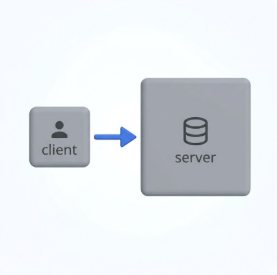
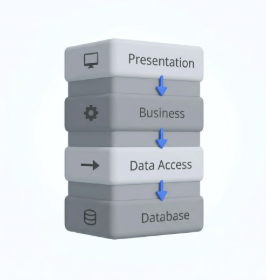
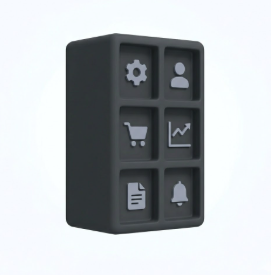
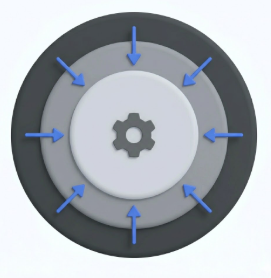
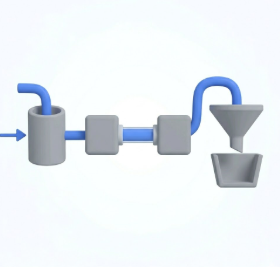
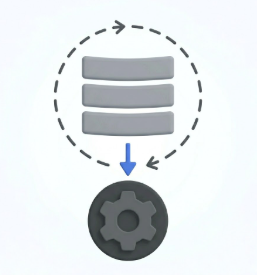
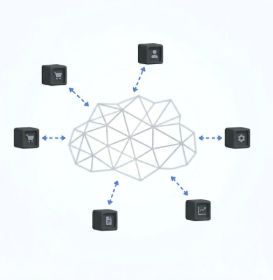
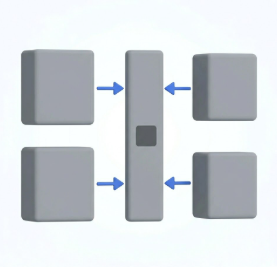
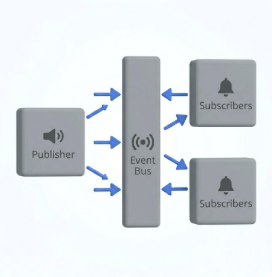
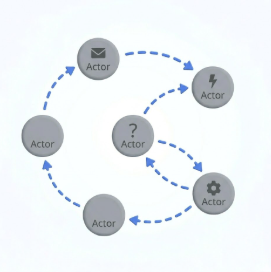
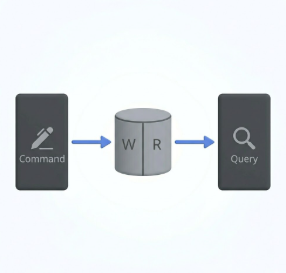
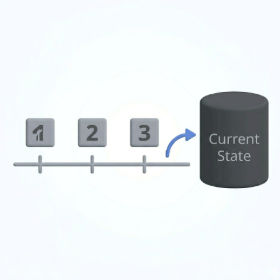
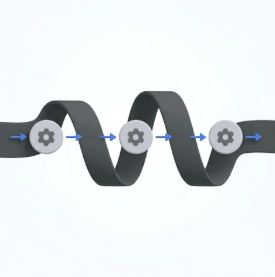
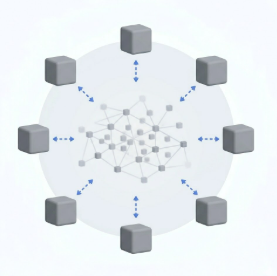
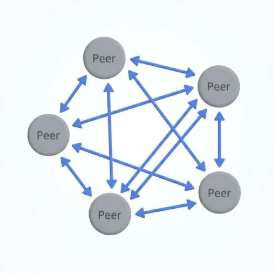
| Property | Monolith | Client-Server | Layered | Modular Monolith | Clean / Hexagonal / Onion | Pipeline (Pipe & Filter) | Batch Processing | Microservices | SOA | Event-Driven (EDA) | Actor Model | CQRS | Event Sourcing | Stream Processing | Space-Based | Peer-to-Peer |
|---|---|---|---|---|---|---|---|---|---|---|---|---|---|---|---|---|
 |
 |
 |
 |
 |
 |
 |
 |
 |
 |
 |
 |
 |
 |
 |
 |
|
| Deployment Unit | Single | Client + Server | Single | Single | Single/Multiple | Single/Multiple | Scheduled jobs | Multiple | Multiple | Distributed | Distributed actors | Single/Multiple | Single/Distributed | Distributed | Distributed | Fully distributed |
| Coupling | Tight | Medium | Medium | Medium | Loose | Loose | Loose | Loose | Medium | Loose | Very loose | Loose | Loose | Loose | Loose | Loose |
| Scalability | Low–Medium | Medium | Medium | Medium | Medium | High | High | High | High | High | Very high | High | High | Very high | Very high | Very high |
| Complexity | Low | Low | Low–Medium | Medium | Medium | Medium | Medium | High | High | High | High | High | High | High | High | High |
| Data Consistency | Strong | Strong | Strong | Strong | Strong | Depends | Strong (per batch) | Eventual | Mixed | Eventual | Eventual | Eventual | Eventual | Eventual | Eventual | Eventual |
| Typical Use Case | Small apps | Web apps | Enterprise apps | Growing apps | Maintainable, testable, domain-centric systems | Data processing | Reporting/ETL | Large systems | Enterprise integration | Reactive systems | Real-time concurrency | High-read systems | Audit/log systems | Real-time analytics | High-scale low-latency | Decentralized systems |